

The Power of Mindfulness: How Being Present Transforms Our Wellbeing

In a world that constantly pulls our attention in a hundred different directions, mindfulness offers something beautifully simple: the invitation to come back to the present moment.
Not yesterday’s worries. Not tomorrow’s to-do list. Just now.
At its core, mindfulness is the practice of gently paying attention—on purpose—without judgment. It’s about noticing your breath, your thoughts, your surroundings, and your body with a sense of openness and curiosity.
And while it may sound small, this simple shift in awareness has a profound ripple effect across our mental, emotional, and physical wellbeing.
Reconnecting with Ourselves
So much of modern life encourages us to operate on autopilot. We move quickly from one task to the next, often disconnected from how we truly feel.
Mindfulness offers us a way back home to ourselves.
When we begin to slow down and pay attention, we start to notice the subtle signals within us—the quiet fatigue behind our busyness, the tension we’ve been carrying in our shoulders, or even the small moments of joy we’ve been overlooking.
This awareness allows us to respond to our needs with greater compassion. Instead of pushing through exhaustion, we may choose rest. Instead of ignoring stress, we may pause and breathe.
Over time, this creates a deeper sense of self-trust and inner alignment—something many of us have been longing for without even realising it.
Calming the Mind and Reducing Stress
One of the most immediate and noticeable benefits of mindfulness is its calming effect on the nervous system.
When we are caught in cycles of worry or overwhelm, the body can remain in a constant state of alert. Mindfulness gently brings us out of this state by anchoring us in the present moment—where we can observe rather than react.
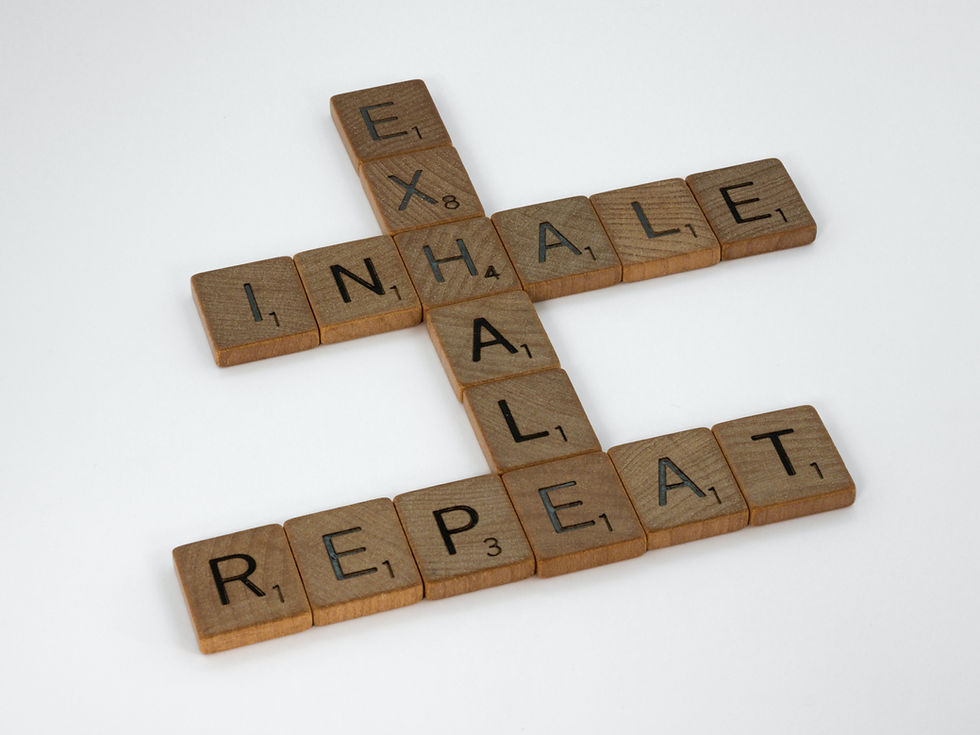
Simple practices like mindful breathing, body scans, or even slowly observing your surroundings can signal to the body that it is safe to relax.
With regular practice, this can lead to reduced anxiety, improved stress management, and a greater sense of calm throughout the day. Life may still be busy, but we begin to move through it with more ease and steadiness.

Creating Space Between Thought and Reaction
Our thoughts are powerful—but they are not always accurate, and they are certainly not always helpful.
Mindfulness teaches us to observe our thoughts rather than become entangled in them.
Instead of immediately reacting to every worry, fear, or self-critical voice, we learn to pause. We notice the thought, acknowledge it, and allow it to pass without attaching to it.
This creates a powerful shift.
In that space between stimulus and response, we gain the ability to choose how we act. We become less reactive and more intentional, responding to situations with clarity rather than impulse.
This not only improves our decision-making but also enhances our relationships, as we are less likely to react to stress or heightened emotion.
Enhancing Emotional Wellbeing
Mindfulness invites us to turn toward our emotions with kindness rather than avoidance.
Many of us have been conditioned to suppress difficult feelings or distract ourselves from discomfort. However, unprocessed emotions often linger beneath the surface.
Through mindfulness, we learn to sit with our emotions, to feel them without judgment, and to understand what they may be trying to tell us.
This process can be incredibly healing.
By allowing emotions to move through us rather than resisting them, we develop greater emotional resilience. We also become more attuned to positive emotions—experiencing joy, gratitude, and contentment more fully because we are truly present for them.
Supporting Physical Health
The connection between mind and body is profound, and mindfulness nurtures this relationship in gentle but powerful ways.
When we are more aware, we naturally begin to make choices that support our wellbeing. We may notice how certain foods make us feel, recognise when our body needs rest, or become more intentional in how we move and care for ourselves.
Mindfulness has also been associated with improved sleep, reduced muscle tension, and overall better physical balance. Even small daily practices can help regulate the body and bring it back into a state of harmony.
Over time, this creates not just moments of wellbeing, but a sustained sense of vitality.
Deepening Our Connection to the World Around Us
Mindfulness doesn’t just transform our inner world—it also changes how we experience the world around us.
When we are present, even ordinary moments begin to feel richer. A walk outside becomes an opportunity to notice the sensation of the air on your skin, the sound of leaves, the rhythm of your steps.
Conversations become more meaningful because we are truly listening, rather than thinking ahead to what we want to say next.
This deepened awareness fosters a greater sense of connection—not only to ourselves, but to others and to life as a whole.

Living More Fully, One Moment at a Time
Perhaps the most beautiful gift of mindfulness is this: it brings us back to life as it is actually happening.
So often, we rush through our days, waiting for the “next thing”—the weekend, the holiday, the moment when everything feels complete.
Mindfulness gently reminds us that life isn’t somewhere else. It’s here.
In the breath you’re taking right now. In the pause between tasks. In the quiet moments you might otherwise overlook.
When we begin to live this way, life doesn’t necessarily slow down—but our experience of it becomes fuller, deeper, and more meaningful.
A Gentle Invitation to Begin
You don’t need hours of meditation or a perfect routine to experience the benefits of mindfulness.
You can begin right here, right now.
Take a slow, conscious breath. Notice how your body feels. Pause for just a moment before moving on to the next thing.
These small acts of awareness may seem simple, but they are powerful.
Mindfulness isn’t about doing more—it’s about being more present with what already is.
And each moment offers a new opportunity to return.


Comments